سواء كنت تدير موقع بناء، أو مهرجانًا كبيرًا في الهواء الطلق، أو تقوم بإعداد مخيم موسمي، مراحيض متنقلة تُعدّ هذه الحلول بسيطة لتوفير مرافق صحية نظيفة وسهلة الوصول. فالتصميم المناسب يُحسّن الراحة، ويدعم العمليات، ويُساعد على سير المشاريع بسلاسة أكبر.
يُغطي هذا الدليل كل ما يحتاجه مديرو المشتريات ومنظمو الفعاليات ومديرو المشاريع: كيفية عمل المراحيض المتنقلة في مختلف البيئات، وكيفية اختيار التكوين الأمثل، وما يجب مراعاته عند الشراء أو الطلب بكميات كبيرة، وكيف تتناسب مراحيض DXH المتنقلة، المُصنّعة مباشرة من المصنع، مع كل استخدام. سواءً كنتَ تبحث عن وحدة واحدة أو مئة، يُساعدك هذا الدليل على اتخاذ قرار مناسب وفعّال من حيث التكلفة.
تشترك مواقع البناء والمهرجانات الخارجية ومواقع التخييم في مشكلة واحدة: وجود أعداد كبيرة من الناس في أماكن تفتقر إلى دورات مياه دائمة. وبدون حلول صحية مناسبة، تنخفض إنتاجية العمال، وتزداد المخاطر الصحية، ويتأثر رضا المشاركين في الفعاليات أو مواقع التخييم سلبًا. وتُسهم دورات المياه المتنقلة في سد هذه الفجوة بسرعة وبتكلفة معقولة.
يقضي العمال وقتًا أقل في البحث عن دورات مياه خارج الموقع؛ ومن المرجح أن يبقى رواد المهرجان لفترة أطول وينفقوا المزيد. تساهم دورات المياه المتنقلة النظيفة والمُصانة جيدًا بشكل مباشر في تجربة أفضل وعمليات تشغيل أكثر كفاءة.
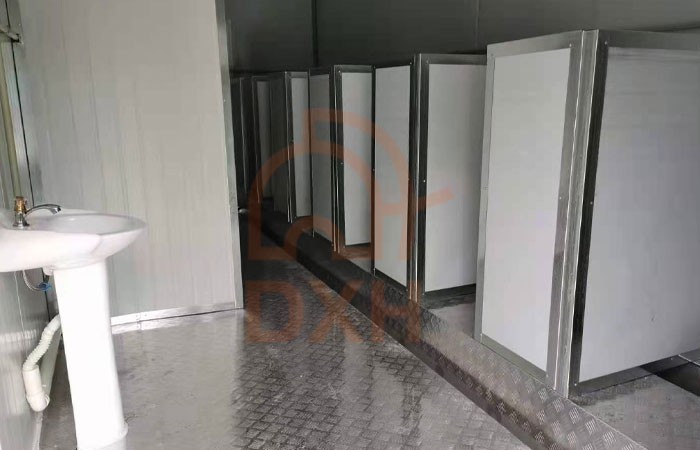
تُعدّ المراحيض المتنقلة في مواقع البناء من بين أكثر البيئات طلباً. تتميز هذه الوحدات بمتانتها وقدرتها على تحمّل الظروف المتربة والموحلة والظروف الشاقة، كما أنها سهلة التنظيف بالضغط العالي والصيانة. وتُعدّ الوحدات ذات الإطار الفولاذي أو الوحدات المصممة على شكل حاويات مناسبة تماماً لهذه المواقع نظراً لمتانتها الهيكلية ومقاومتها للتخريب.
تتطلب دورات المياه المتنقلة للفعاليات والمهرجانات، مثل المهرجانات الموسيقية والماراثونات والمعارض التجارية والفعاليات الرياضية، سرعة في التركيب وكفاءة عالية في الاستخدام. وعلى عكس مواقع البناء، حيث يتوزع الاستخدام على مدار يوم العمل، تشهد الفعاليات عادةً طلبًا مكثفًا خلال ساعات الذروة. تتميز هذه الدورات بسهولة وسرعة التركيب، وهي مصممة لتقليل أوقات الانتظار من خلال تصميمها الفعال وعددها الكافي.
تختلف متطلبات مواقع التخييم، والنُزُل البيئية، ومنتزهات التخييم الفاخر، ومراكز الاستجمام في الهواء الطلق: استخدام طويل الأمد، وكثافة استخدام أقل، مع التركيز الشديد على الراحة. غالبًا ما تتضمن المراحيض المتنقلة المُخصصة لمواقع التخييم دشًا مُركبًا، وحوض غسيل، وإضاءة، وتهوية مناسبة لضمان الراحة.
تعتمد عمليات الإغاثة في حالات الكوارث الطبيعية، ودعم اللاجئين، والانتشار الميداني العسكري، والمخيمات الطبية الطارئة، جميعها على توفير مرافق صحية سريعة الانتشار. وتُعدّ سرعة التركيب، والاكتفاء الذاتي، وسهولة الصيانة في البيئات القاسية من أهم الأولويات. يمكن تسليم وحدات دورات المياه الجاهزة من حاويات DXH House مزودةً بتمديدات السباكة والكهرباء مسبقًا، لتكون جاهزة للاستخدام في غضون ساعات من وصولها.
| ميزة | موقع بناء | فعالية خارجية | موقع التخييم |
|---|---|---|---|
| أولوية | المتانة والنظافة | السرعة والجماليات | الراحة والاستدامة |
| النوع الموصى به | وحدة فولاذية / حاوية | معياري | وحدة مجهزة بدش |
| متوسط معدل الاستخدام | مرتفع (يومياً، طوال اليوم) | اندفاعات ساعات الذروة | معتدل، مستمر |
| الميزات الرئيسية | مقاوم للتآكل، سهل التنظيف | تركيب سريع، مظهر خارجي أنيق | حوض غسيل، دش، تهوية |
| دورة الصيانة | يومياً - كل يومين | بعد كل حدث | أسبوعي (إقامة طويلة) |
| عدد الوحدات النموذجي | عامل واحد من بين كل عشرة عمال | واحد لكل 50-75 حاضرًا | 1 لكل 15-20 مخيمًا |
ابحث عن وحدات مراحيض متنقلة مصنوعة من الفولاذ المجلفن أو إطارات مقواة شديدة التحمل تتحمل الاستخدام القاسي، بما في ذلك النقل بواسطة الرافعات الشوكية ووضعها على أرض غير مستوية. تُعد الأسطح الداخلية الملساء المقاومة للبقع والقابلة للتنظيف بالضغط العالي ضرورية للحفاظ على النظافة خلال المشاريع طويلة الأمد.
تتيح تصاميم المراحيض المتنقلة المعيارية زيادة أو تقليل عدد الوحدات بناءً على توقعات الحضور. وتُعدّ الطلاءات المقاومة للتآكل، ومزالج الأبواب المتينة، والأرضيات المانعة للانزلاق من الميزات العملية التي تُطيل عمر الوحدة وتُقلل تكاليف الصيانة على مدار مشروع يمتد لعدة أشهر.
ينبغي عليك أيضاً التفكير في توفير المياه والكهرباء. يمكن ربط بعض المشاريع بشبكات المرافق العامة، بينما تحتاج مشاريع أخرى إلى أنظمة مستقلة. إذا كان موقعك نائياً، فعادةً ما يكون تصميم دورة مياه متنقلة مكتفية ذاتياً هو الخيار الأفضل.
A مرحاض متنقل مكتفٍ ذاتيًا تُعدّ هذه الحاويات، المزودة بخزان لتجميع النفايات، ومدخنة تهوية، وقفل باب، مثالية لمواقع البناء والفعاليات الخارجية. وهي الخيار الأمثل من حيث التكلفة عند استئجارها أو شرائها بكميات كبيرة، كما أنها متوافقة مع مركبات الصيانة القياسية.
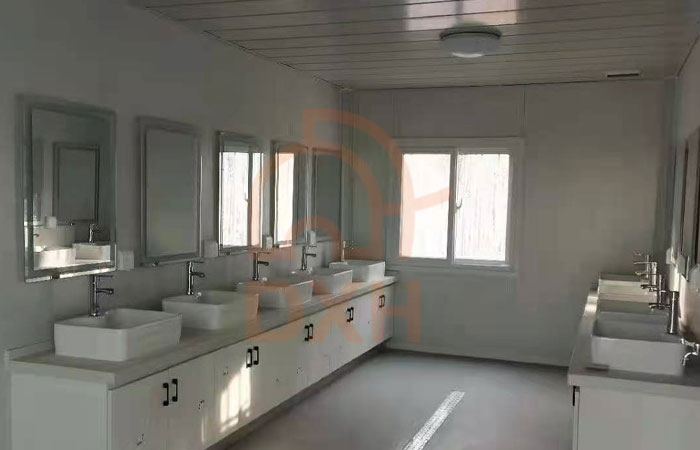
تتضمن وحدات المراحيض المتنقلة هذه حوضًا لغسل اليدين، وهو مناسب لأي مكان يتم فيه تقديم الطعام أو في التطبيقات التي يكون فيها الالتزام بنظافة اليدين أمرًا مهمًا - مثل مهرجانات الطعام والمواقع الطبية والفعاليات المدرسية.
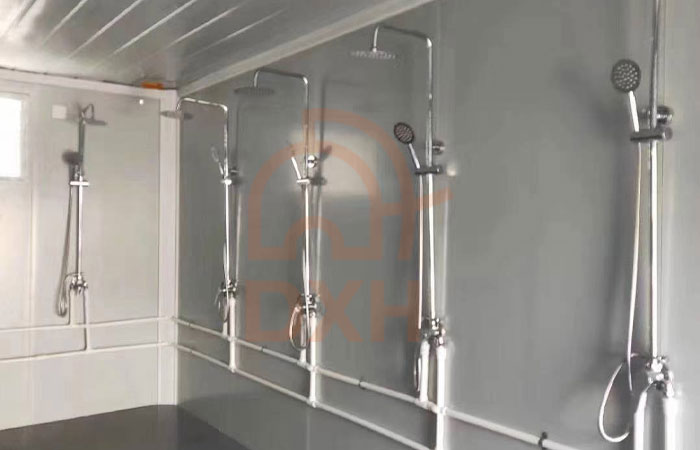
صُممت هذه الوحدات خصيصًا لمواقع التخييم والفعاليات طويلة الأمد، وهي مزودة بمقصورة استحمام - إما مدمجة مع المرحاض في غرفة واحدة أو ككابينة منفصلة مجاورة. وتتطلب هذه الوحدات وصلة مياه (أو خزان مياه عذبة مدمج) ونقطة تصريف.
بالنسبة للمشاريع التي تتطلب منشأة دائمة، توفر وحدات دورات المياه الجاهزة، المصنوعة من هياكل حاويات فولاذية بطول 20 أو 40 قدمًا، المتانة والراحة وإمكانية التخصيص. يمكن لهذه الوحدات أن تضم عدة كبائن مراحيض، ودُش، وأحواض غسيل في وحدة واحدة قابلة للنقل. وهي مناسبة بشكل خاص لمخيمات العمال، ومنتجعات التخييم الفاخر، وحالات الطوارئ.
تتخصص شركة DXH House في تصنيع وحدات المراحيض المتنقلة حسب الطلب، وذلك من خلال خدمات تصنيع المعدات الأصلية (OEM) وتصميمها (ODM)، حيث يحدد العميل جميع التفاصيل المتعلقة بالحجم واللون والتصميم الداخلي وموقع الباب ونوع التهوية ووحدات الإضاءة ونقاط توصيل المياه والكهرباء والعلامة التجارية. ويُعد هذا الأمر بالغ الأهمية، خاصةً في عقود التوريد الكبيرة التي تتطلب دمج الوحدات بسلاسة مع تصميم الموقع الحالي أو الهوية البصرية للشركة.
يُحدث التركيب الصحيح فرقاً كبيراً في مدى جودة أداء المرحاض المتنقل.
اختر موقعًا مستويًا يسهل الوصول إليه، مع مساحة كافية للتسليم والتركيب والصيانة الدورية. ضع الوحدات بالقرب من المستخدمين، ولكن تجنب وضعها في أماكن تعيق حركة المرور أو تتداخل مع العمليات. إذا كان الموقع مزودًا بشبكة تصريف أو مياه أو كهرباء، فخطط لتوصيلها مسبقًا.
ينبغي جدولة الصيانة بناءً على كثافة الاستخدام. قد تحتاج المواقع ذات الحركة الكثيفة إلى تنظيف متكرر، وإزالة النفايات، وفحص الإمدادات. كما ينبغي أن تشمل الصيانة الدورية التهوية والتعقيم وإعادة التعبئة. إن الوحدة التي تتم صيانتها جيدًا ليست فقط أكثر راحة في الاستخدام، بل هي أيضًا أكثر فعالية من حيث التكلفة على المدى الطويل.
عند شراء المراحيض المتنقلة، ركز على الصورة الكاملة للمشروع بدلاً من التركيز على سعر الوحدة فقط.
انظر إلى المواد، وسهولة النقل، والسعة، والتصميم الداخلي، واحتياجات الصيانة، ودعم المورد. قد تبدو الوحدة الأقل تكلفة جذابة في البداية، ولكن إذا كانت صعبة التنظيف، أو صعبة النقل، أو غير مناسبة للموقع، فقد تكون التكلفة الإجمالية أعلى على المدى الطويل.
بالنسبة للمشترين من الشركات، تُعدّ قدرة المورّد على التخصيص عاملاً مهماً أيضاً. ينبغي أن يكون المصنّع الموثوق قادراً على التوصية بالهيكل والحجم والتصميم الداخلي المناسبين لحالة استخدامك المحددة. وهذا أمر بالغ الأهمية للمقاولين ومنظمي الفعاليات ومطوري المخيمات الذين يحتاجون إلى حلول عملية بدلاً من المنتجات العامة.
شركة DXH House هي شركة تصنيع محترفة للمراحيض المتنقلة، ودورات المياه المُعبأة في حاويات، و وحدات حمام جاهزة الصنع تتمتع الشركة بسجل حافل في تزويد شركات المقاولات الإنشائية وشركات تأجير المعدات الخاصة بالفعاليات ومطوري المخيمات على مستوى العالم. تُصنع جميع المنتجات في بيئة مصنع خاضعة للرقابة ويمكن شحنها إلى جميع أنحاء العالم.
تُسهّل هذه المرونة مطابقة المنتج مع الموقع. سواءً أكانت الحاجة لموقع بناء، أو دورة مياه سريعة التركيب للفعاليات، أو حل تخييم أكثر راحة، فإن النهج الأساسي نفسه ينطبق: تصميم عملي، وهيكل قابل للتعديل، ووظيفة جاهزة للاستخدام الميداني.
اتصل بنا لمناقشة متطلبات مشروعك والحصول على توصية منتج مصممة خصيصًا لك وأسعار تنافسية مباشرة من المصنع.
نعم. صُممت المراحيض المتنقلة المصنوعة من الفولاذ أو وحدات دورات المياه المُصممة على شكل حاويات خصيصًا للاستخدام طويل الأمد. مع الصيانة الدورية كل يوم أو يومين، يمكن استخدام المراحيض المتنقلة بشكل متواصل في مشاريع البناء التي تستمر لأشهر أو حتى سنوات دون أي مشاكل هيكلية. ولضمان أقصى قدر من المتانة في البيئات الخارجية، يُنصح باختيار وحدات مصنوعة من الفولاذ المجلفن ذي الأسطح المقاومة للتآكل.
بالنسبة للفعاليات التي تستمر حتى 4 ساعات، نوصي بتوفير مرحاض متنقل واحد لكل 50-75 شخصًا من الحضور. أما بالنسبة للفعاليات التي تستمر لأكثر من 4 ساعات، فيُرجى زيادة هذا العدد إلى مرحاض متنقل واحد لكل 35-50 شخصًا من الحضور. يُرجى التأكد من توفير مرحاض متنقل واحد على الأقل مُجهز لذوي الاحتياجات الخاصة، وفقًا لمعايير قانون الأمريكيين ذوي الإعاقة (ADA).
تُعدّ المراحيض المتنقلة ذات التصميم المُعبأ في حاويات الخيار الأمثل لمواقع البناء. فهي تتميز بمتانتها الهيكلية، وقدرتها على تحمّل الظروف القاسية، وسهولة تنظيفها، ومقاومتها للتخريب، وإمكانية نقلها بواسطة رافعة شوكية. أما للاستخدام المكثف طويل الأمد، فيُنصح بتجنب المراحيض المتنقلة البلاستيكية خفيفة الوزن، لأنها تتلف بسرعة أكبر وتتطلب استبدالاً متكرراً.
بالنسبة للمخيمات التي تستقبل زواراً لفترات قصيرة أو رحلات يومية، قد يكفي استخدام مرحاض وحوض غسيل عاديين. أما بالنسبة للمخيمات التي تستضيف نزلاءً يقيمون ليلة واحدة أو عدة ليالٍ - مثل المخيمات الفاخرة أو المنتجعات البيئية أو مواقع العمل - فننصح باستخدام مراحيض متنقلة مزودة بمرافق استحمام أو حمامات حاويات.
نعم. تقدم شركة DXH House خدمات تخصيص شاملة للمراحيض المتنقلة، تشمل الأبعاد، والألوان والتشطيبات الخارجية، والتصميمات الداخلية، وتكوينات الأبواب، وأنواع التهوية، والإضاءة، ونقاط توصيل المياه والكهرباء. عادةً ما يكون للطلبات المخصصة حد أدنى للكمية، وتختلف مدة التسليم حسب مدى تعقيد الطلب.

Xunqing Rd No.639, Taoyuan Town, Wujiang District, Suzhou City, Jiangsu Province, China
View All Contact


ساعات العمل لدينا
الإثنين 21/11 - الأربعاء 23/11: 9 صباحًا - 8 مساءً
الخميس 24/11: مغلق - عيد شكر سعيد!
الجمعة 25/11: 8 صباحًا - 10 مساءً
السبت 26/11 - الأحد 27/11: 10 صباحًا - 9 مساءً
(جميع الساعات بالتوقيت الشرقي)

 دعم شبكة IPv6